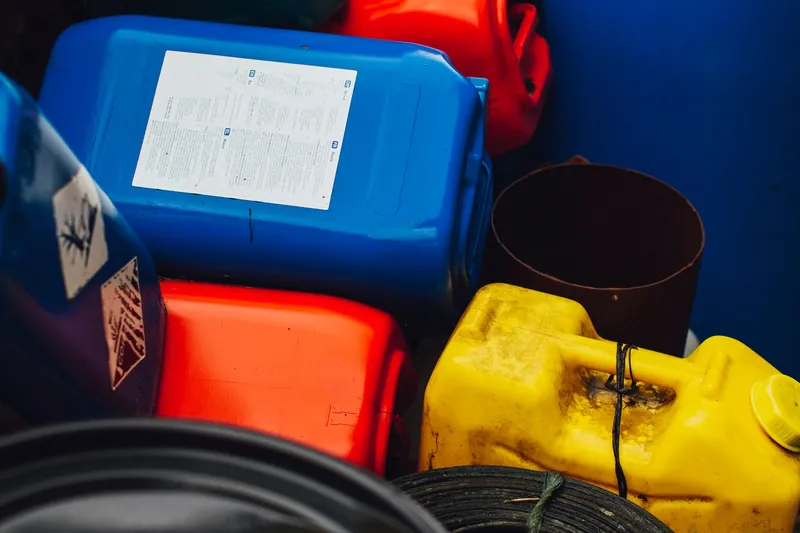
Chemical and Toxic Waste Cleanup
Toxic and chemical waste cleanup includes safe disposal.
See chemical and toxic waste cleanupGet hazardous materials, chemical residue and contaminated items assessed and cleaned in Grove Park. The hazard is identified first so containment, protective equipment, cleaning and waste disposal fit the material.
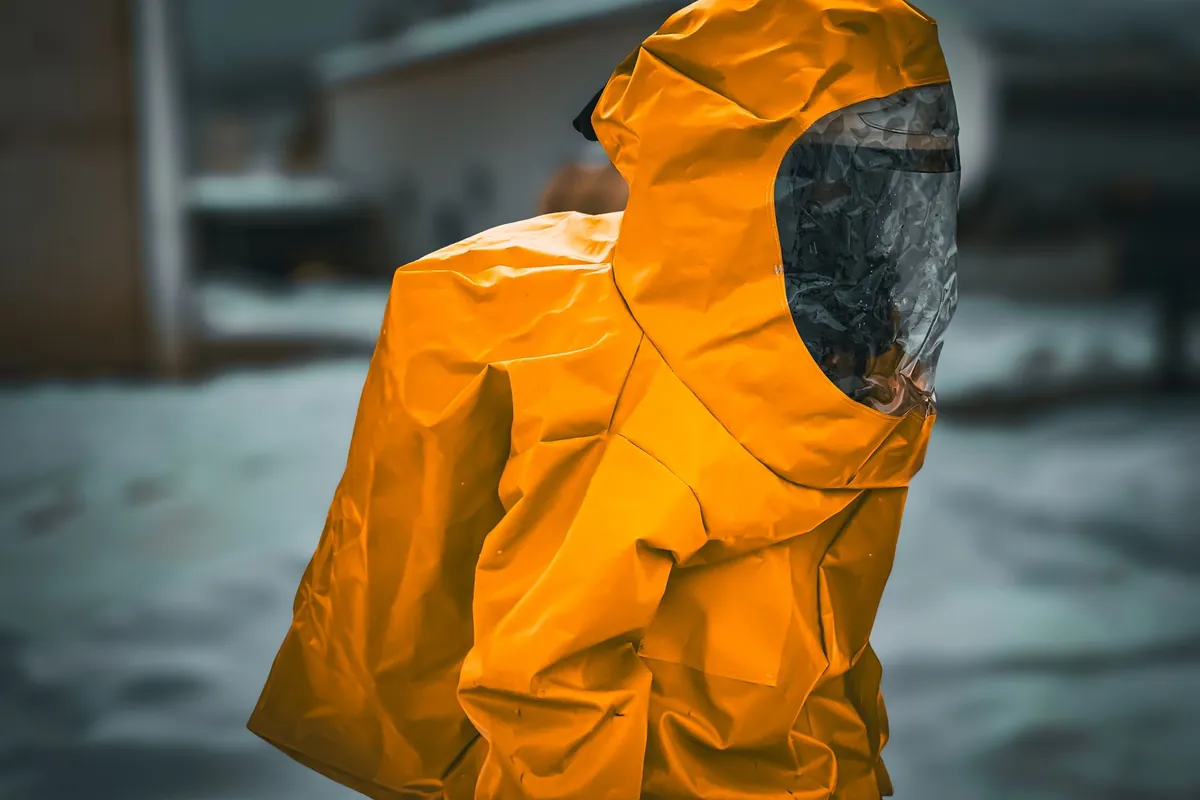
Controlled treatment or removal of dangerous substances is known as hazmat cleanup. It addresses materials capable of harming people, property or the environment by contact, inhalation, fire, chemical reaction or contamination.
A biological hazard, corrosive substance, chemical spill, fuel residue, toxic waste or unidentified powder may require this work. Bloodborne pathogens can be present in biological material such as bodily fluids and blood. A chemical may cause poisoning or burns, react with another product, or give off dangerous vapor. Since each risk is different, no single cleaning process or product is right for every substance.
Information comes first in the cleanup. Identification may rely on the container, its product label, a Safety Data Sheet, an incident report or testing. Next, access to both the affected space and nearby spaces is controlled. Technicians choose substance-appropriate gear, absorbents, tools and containers. Materials that can safely be cleaned remain, while those that cannot are taken out and sent through the proper waste disposal route.
Calls are answered day and night, and crews arrive in unmarked vehicles. Your conversation can stay private from people visiting or living nearby.
Cleanable contents are separated from belongings that absorbed contamination. You are included in decisions about important items whenever conditions permit safe access.
Before you move forward, you learn which facts are established, what remains unidentified and how the suggested cleanup applies to the affected area.
You can use pictures, the cleanup scope, waste documents and a list of removed items when insurance companies or property managers ask for details.
Hazmat cleaning services are needed when normal cleaning could expose you to a hazardous substance or spread it to another surface. Common situations include:
Cleanup involving sharps, blood, bodily fluids or another biological substance requires bloodborne pathogen precautions and differs from a chemical residue plan.
A managed building, shop, workplace or warehouse may need the area contained and cleaned under controlled conditions, with records kept for the owner or insurance company.
Before anyone touches, moves or reuses tools, machinery or protective equipment, decontamination must be planned for the particular material.
Liquid, powder or residue can reach nearby belongings, equipment or floors after a container leaks, a bottle breaks or a process goes wrong.
Start by protecting yourself from exposure and limiting further spread. Take these steps before professional cleanup starts:
Call (888) 440-9227For small to mid-size spaces, hazmat cleanup ranges between $4,000 and $40,000 per job. One and Done Prep is the source. Its Hazmat Cleaning Cost guide puts initial containment and cleanup at $6 per square foot up to $20 per square foot. The substance involved, affected square footage, waste disposal, containment, inspections and permits can cause costs to vary greatly. A site assessment must occur before a final price is determined.
The figures shown are national ranges from published cost guides and are not based on an on-site visit. You learn what your property will cost after the on-site assessment and before any work begins.
Ask about cost: (888) 440-9227A policy may pay for hazmat cleanup if it covers the event that caused the contamination. Payment can still be changed by policy limits, deductibles or contamination exclusions.
Business and property owners should retain incident notes, an inventory, records from the cleanup service and photographs of the affected area captured safely.
Check with the adjuster before work starts, as long as waiting does not create a problem. Photos and records showing the scope, waste route and items taken out can help document your insurance claim.
Report both the source and location of the contamination to the insurance company. Request policy details for contamination cleanup, waste disposal, material damage and restoration.
Who arranges and pays can depend on the cause, the lease, the policy and local requirements. Avoid accepting responsibility before the facts and documents are reviewed.
Professional hazmat work proceeds in a controlled sequence, although the material determines the precise cleaning method. Each stage is intended to contain contamination within affected spaces while keeping clean areas protected.
Incident information is considered along with accessible Safety Data Sheets and labels. The affected area, surfaces and possible travel paths are mapped before cleanup starts.
Barriers keep occupants and clean rooms apart from the work area. When contamination could leave its starting point, crews manage openings and pathways that might carry it.
Instead of relying on one standard kit, crews choose gloves, garments, eye protection and breathing equipment according to the hazard and planned work.
The flow of material is halted whenever that step can be completed without danger. Further movement is restricted with compatible containers, absorbent products or another appropriate control.
Crews match the decontamination method to the substance on cleanable equipment and hard surfaces. An EPA-registered disinfectant treats biological residue and remains for the label's full contact period.
Damaged or absorbent materials that are not safe to clean are set apart, recorded and placed in suitable packaging. When conditions permit, you can discuss personal property before anything is discarded.
Crews close the waste inside suitable containers, then send it through the disposal process that applies to the identified material. Records can support insurance and property files.
A final check confirms whether the work area matches the cleanup plan. You learn what was cleaned, what was removed and whether repairs or separate restoration services are still needed.
Phone any hour. You speak with a hazmat cleanup specialist who outlines the process and schedules a start time with you.
Serious health harm can result when a hazardous substance is breathed, swallowed, touches skin or enters through a puncture. An incorrect cleaning agent can cause a reaction or carry the danger farther.
Residue and smells can remain in porous possessions, while dust or vapor may affect surrounding areas. Belongings should undergo evaluation prior to being returned, removed or cleaned.
A substance can spread through vehicle interiors and enter cracks in floors, spaces behind baseboards or areas below shelving. Residue can be left in place if you clean only the apparent spill.
Used absorbent, damaged contents, disposable protective gear and cleanup water may need a controlled waste path based on what contaminated them.
Can you clean it yourself? Even a minor release may be unsafe. Only when a known spill is controlled and clearly addressed should you rely on its Safety Data Sheet and product label. Keep away from unidentified material or any substance that is highly toxic, spreading or reactive, and seek emergency response for an immediate threat.
The material and the surface decide what can stay. A sealed, compatible surface may be cleaned, while a porous item that absorbed hazardous residue may need removal.
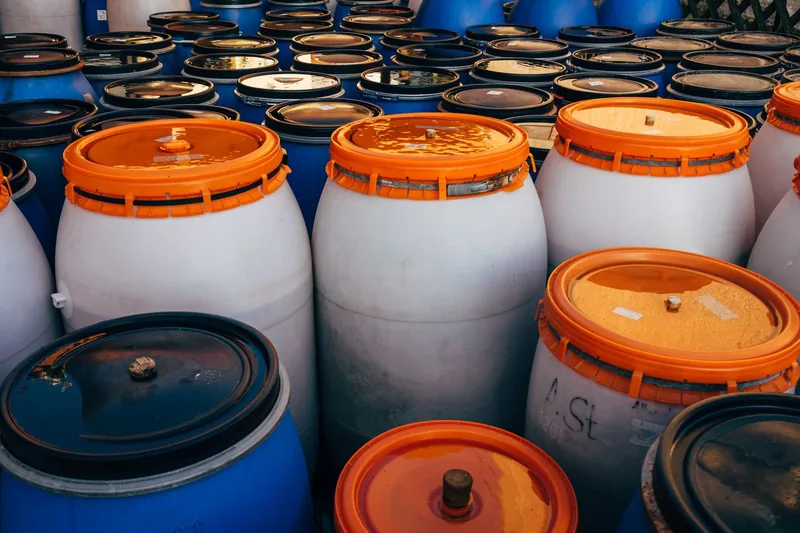
Hazmat cleaning has no safely fixed duration until the material is identified, the disposal needs are clear and the affected area is understood. Required permits, testing or inspections may delay work, as can the need to bring an active hazard under control.
| Scene | Typical time on site |
|---|---|
| Known hazardous material limited to one location | Timing is set after the site assessment |
| Affected areas in several rooms or unidentified material | Identification and scope come before cleaning |
| Required inspections, special waste disposal or building material removal | All necessary stages affect the completion date |
Odor can warn you that something is wrong, but smell cannot identify a substance or prove that an area is safe. Do not lean close to find the source. Odor removal starts with identifying and removing or treating the material that caused it.
Assessment after removal of the source includes hard surfaces, porous materials and the paths of moving air. Some vapors and dusts can spread through airflow, so ventilation or air-cleaning machinery has to match the known hazard. A fragrance masks smell without removing it. Final air quality choices must reflect the material involved, the scope of cleaning and any situation-specific testing.
The full hazmat cleanup guide covers what is cleaned or removed, odor and air quality work, and the rules that apply in your state.
Read the full hazmat cleanup guideContainment, entry and cleanup plans can be influenced by local housing, population and access details.
Grove Park is listed about 0.7 miles from Novant Health Mint Hill Medical Center, a relevant distance when prompt evaluation follows a biohazard exposure.
Nearby communities include Devonshire, Embassy East, and Hickory Grove, useful geographic references when explaining a property location to a cleanup crew.
The Mecklenburg County location helps orient travel, while the neighborhood and full address identify where private cleanup work actually occurs.
Ask on the call about cleanup options for neighboring communities and ZIP codes.
Toxic and chemical waste cleanup includes safe disposal.
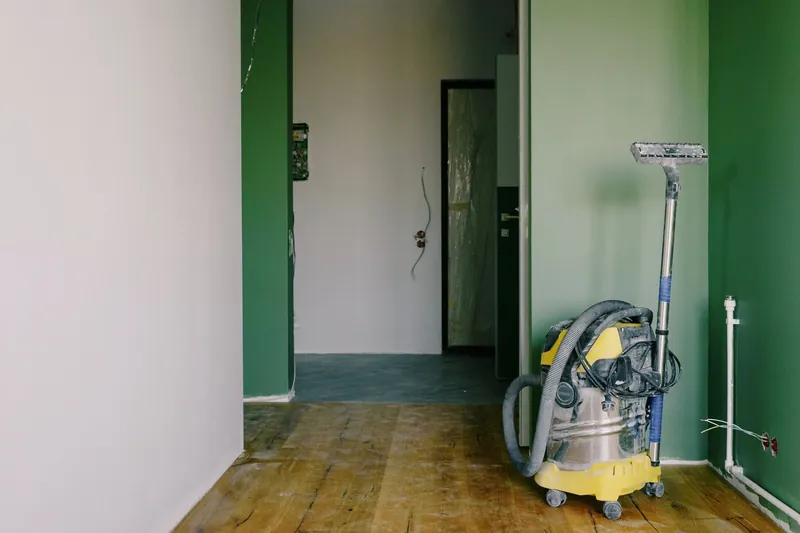
See chemical and toxic waste cleanup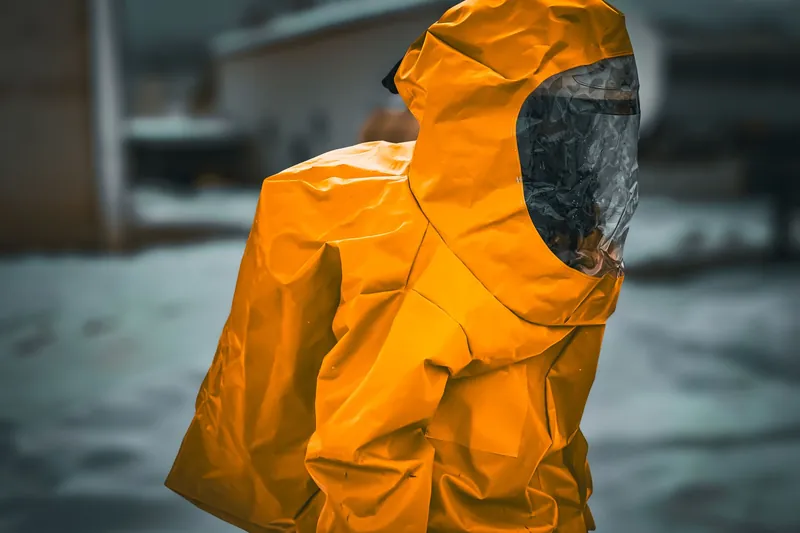
Cleanup removes infectious material, including blood and body fluids, and disinfects the property.
See biohazard cleanup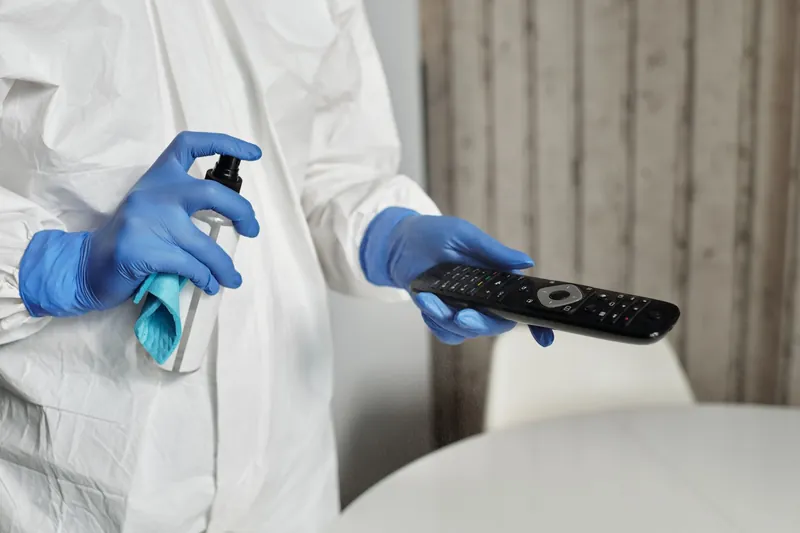
Biological remediation removes contamination so the space can be safely used again.
See biohazard remediation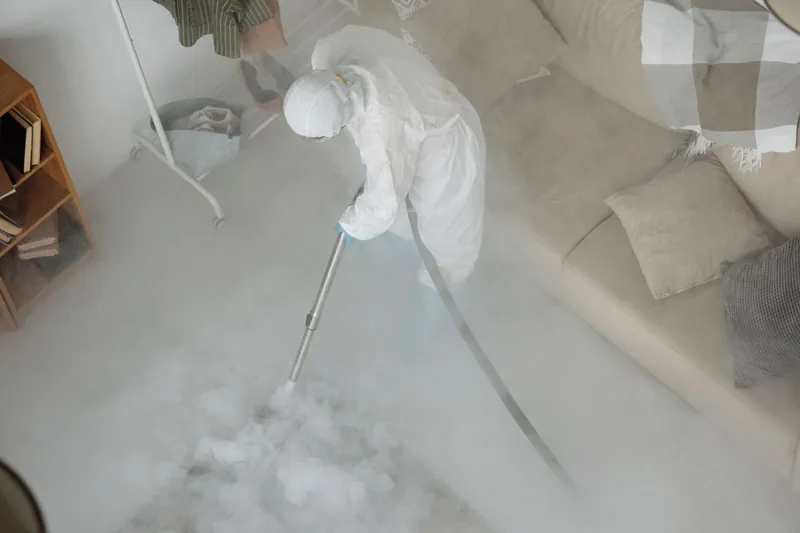
Full decontamination of rooms, surfaces and air after infectious or hazardous exposure.
See biohazard decontamination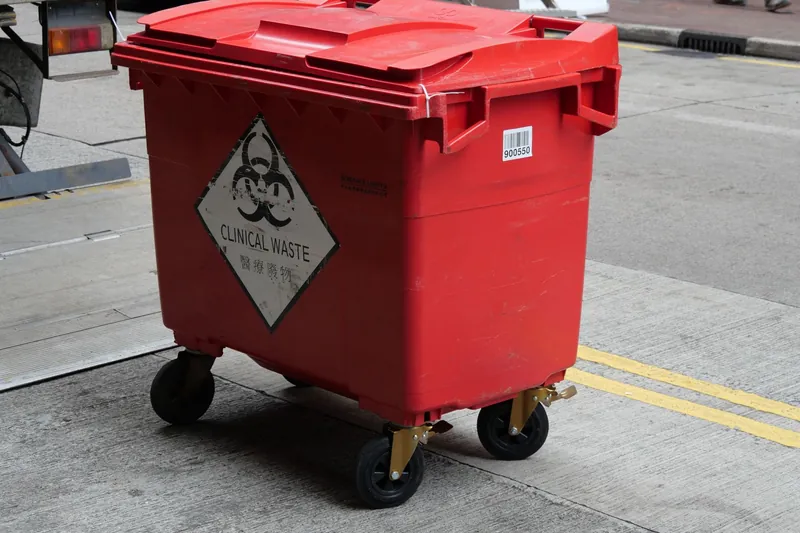
Medical waste removal covers disposal through an approved facility used for treatment.
See medical waste removal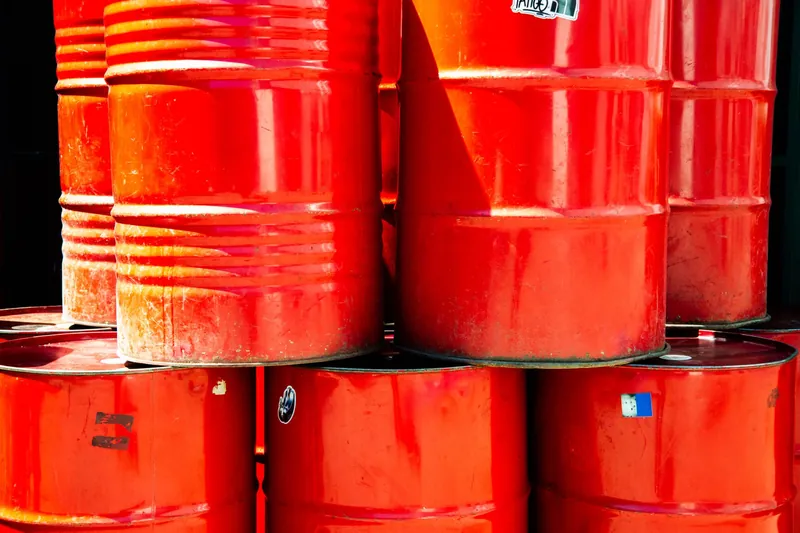
Biohazard waste is collected in labeled, sealed containers and taken for disposal.
See biohazard waste disposal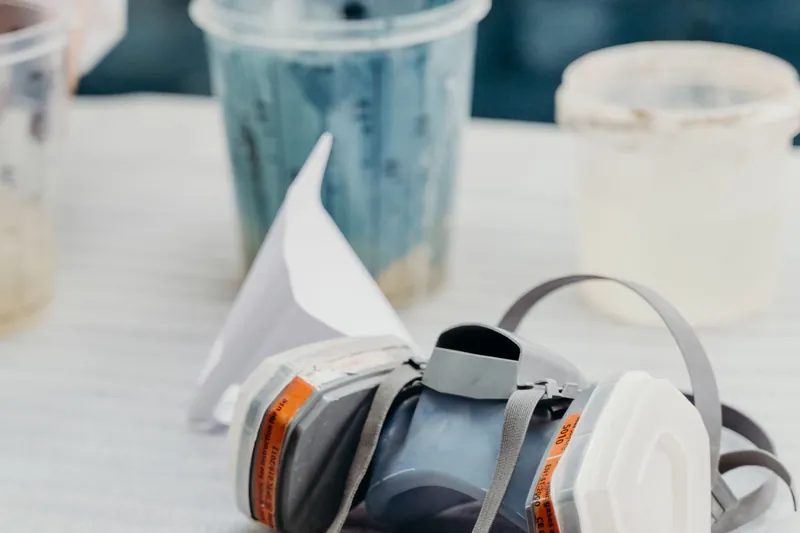
Meth lab cleanup with residue testing, decontamination and clearance steps.
See meth lab cleanup
Affected rooms, vehicle interiors and surfaces are decontaminated after fentanyl exposure.
See fentanyl decontaminationOne and Done Prep's Hazmat Cleaning Cost guide lists $4,000 to $40,000 per job for small to mid-size spaces and $6 to $20 per square foot for initial cleanup and containment. Contaminant type, affected area, access conditions, containment needs, protective equipment, waste disposal, permits and inspections all influence the price.
No safe timeline can be set before crews identify the contaminant and establish the cleanup scope. A controlled area with an identified material has fewer unknowns than a release involving several rooms, hidden travel or special disposal. The timeline reflects how long hazard identification, containment, cleaning, removal, waste management, repairs and required inspections take.
Identify the substance first, without opening, sniffing or mixing it. Use instructions from the label or Safety Data Sheet while making sure everyone stays away. Disposal follows local rules for that substance. Do not place an unknown chemical, contaminated absorbent or leaking container in household trash unless the applicable instructions clearly allow it.
Hazmat cleaning companies may work on both contamination types. Chemical and biological cleanup still differ in expertise, protective equipment and waste handling. Tell the person answering about the container, type and amount of material, and where it spread. When a release continues, undergoes a reaction or affects your breathing, get away and call 911 prior to scheduling cleanup.
Blood and bodily fluids are biological hazards, along with other substances that could carry organisms or bloodborne pathogens. Chemical hazards can be toxic, corrosive, reactive or flammable. The difference matters because protective gear, cleaning products, packaging and waste disposal must fit the hazard. A blood cleanup method may not work on a chemical spill and could make the situation unsafe.
Possibly. The answer depends on the contaminant, the tool material, seams, electronics and the manufacturer's cleaning limits. Compatible smooth equipment may allow decontamination. Safe cleaning may not be possible for parts that are porous, damaged or inaccessible. Do not power on or move exposed equipment until its condition and the hazard have been assessed.
Discreet, respectful hazmat cleanup, 24 hours a day, with crews in unmarked vehicles.